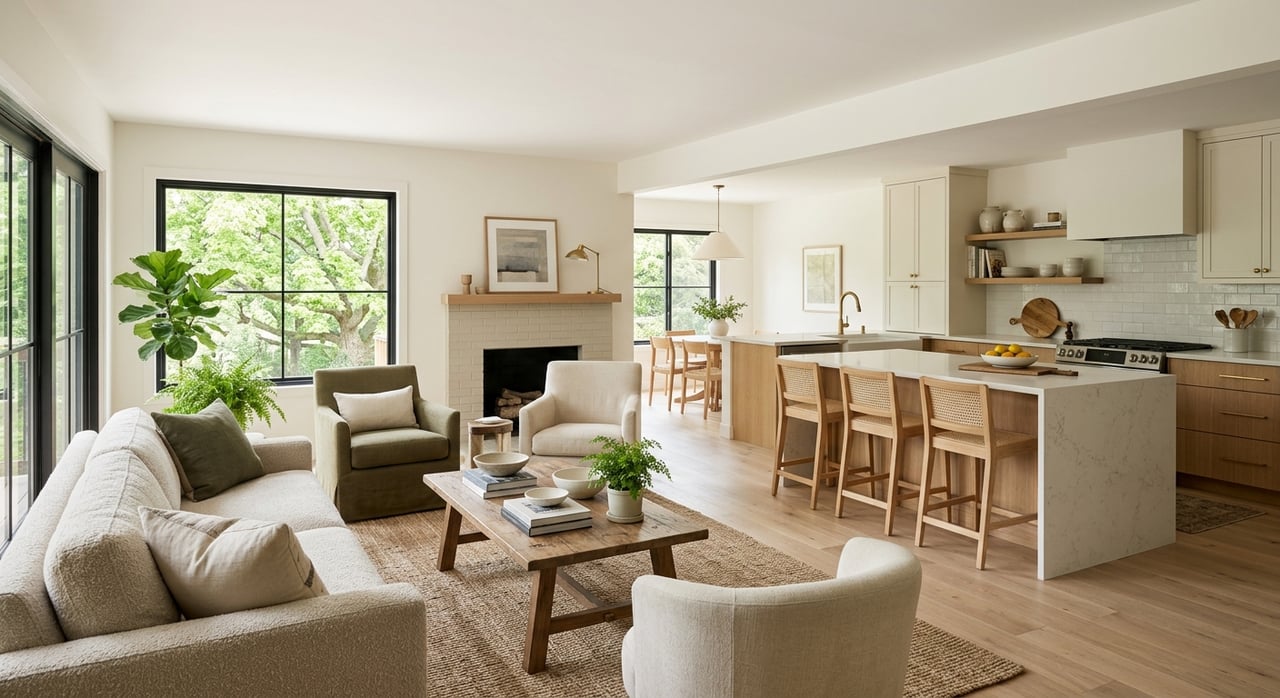
First-Time Homebuyer Tips For Cotter And Gassville
May 7, 2026
May 7, 2026
Buying your first home in Cotter or Gassville can feel exciting and a little overwhelming at the same time. You want to make a smart move, stay on budget, and avoid surprises after closing. The good news is that with the right plan, these small Baxter County markets can feel much more manageable. Let’s walk through the first-time homebuyer tips that matter most here.
Cotter and Gassville are small markets, which means prices can look a little different depending on where you check. Recent public data showed typical home values around $195,481 in Gassville and $239,981 in Cotter, but listing and sale price data also varied by source.
That does not mean the market is unpredictable. It means you should think in terms of a price range, not one perfect number. In a small market with fewer homes for sale, a few listings or sales can shift the numbers quickly.
In March 2026, Zillow reported 22 homes for sale in Gassville, while Realtor.com reported 27. Cotter also had a limited number of homes available, with Zillow showing 15 homes for sale and Redfin reporting a median sale price of $205,000 and 49 days on market.
For you as a first-time buyer, that means two things matter most:
A home price is only part of the picture. In Baxter County and these nearby towns, local income levels make monthly affordability especially important.
Median household income is reported at $38,750 in Gassville, $35,792 in Cotter, and $48,452 across Baxter County. That is a good reminder to build your budget around what feels sustainable each month, not just what a lender says you may qualify for.
Before you shop, compare your take-home pay to your current monthly spending. Then think through the full housing payment and the costs that come with ownership.
Your monthly housing budget may include:
This is one of the best first-time homebuyer tips for Cotter and Gassville because many homes here are existing homes, not brand-new construction. Older homes can offer a lot of value, but they may also come with more upkeep.
Getting preapproved early can help you shop with more confidence. It also gives you a clearer picture of your price range before you start touring homes.
For Arkansas buyers, ADFA programs are worth asking about. ADFA says its Down Payment Assistance Program can provide up to $15,000 for down payment and closing cost help, and its StartSmart program is designed for qualified low-to-moderate income first-time homebuyers.
In rural communities like Cotter and Gassville, USDA financing is also important to explore. USDA Rural Development offers Direct and Guaranteed single-family housing programs, and eligible buyers may find no-money-down options available on qualifying properties.
The key is simple: ask a lender whether the property and your situation qualify. Do not assume every home will fit the program, and do not assume you are out of options either.
One of the biggest surprises for first-time buyers is how many upfront costs show up beyond the down payment. Even if you qualify for helpful financing, you still need a plan for closing expenses.
Consumer guidance says closing costs typically run about 2% to 5% of the purchase price. On top of that, you may need funds for inspections, earnest money, moving costs, and early repairs after move-in.
A simple way to prepare is to break your cash needs into buckets:
This kind of planning helps you buy with less stress. It also makes it easier to avoid becoming house-rich and cash-poor right after closing.
The housing stock in both towns is mostly detached single-family homes. ACS-based profiles show Gassville at 78.7% detached single-family homes and Cotter at 84.6%.
That is helpful to know because your search will likely center on existing houses, not condos or large apartment-style communities. Gassville also has a higher share of mobile homes than Cotter, so you may see more variety in property types depending on your price point.
If you are moving from a larger city, this can actually simplify your search. You can focus on lot size, layout, condition, and commute rather than sorting through a wide mix of housing formats.
Home age matters in Cotter and Gassville. Reported median construction year is 1983 in Gassville and 1965 in Cotter, and Cotter has a noticeable share of homes built before 1940.
That does not mean older homes are a bad fit. It means condition can vary more from one property to the next, especially in a small market with a lot of existing inventory.
When you tour homes, look beyond surface-level updates. A fresh coat of paint is nice, but your bigger questions should be about the systems and structure.
Ask your inspector and agent to help you evaluate:
Inspections are commonly used for a reason. They can uncover issues that may affect your budget, negotiations, or comfort after move-in.
Cotter and Gassville are close to each other, but they can feel different in day-to-day life. Gassville has a more highway-connected feel, while Cotter leans more into its river-town and historic identity.
Gassville sits along US Hwy. 412/62 and promotes easy commuting access to nearby cities. Mean travel time to work is reported at 15.2 minutes in Gassville and 15.9 minutes in Cotter, with most commuters in both towns driving personal vehicles.
Cotter highlights White River recreation, Big Spring Park, and its River District. If you picture weekends near the water and like the feel of a historic small town, Cotter may appeal to you for those reasons.
Gassville may stand out if you want convenient access for daily errands, commuting, or getting around the wider Twin Lakes area. Neither is universally better. It depends on what fits your routine.
This is one of the most important local tips for first-time buyers in this area. Because both communities are connected to the White River area, and Gassville notes that its building inspector handles permits, inspections, and state floodplain code enforcement, you should ask flood-related questions early in the process.
Do not wait until late underwriting to learn that a home may need flood insurance or involve added permitting considerations. That can affect your monthly payment and your closing timeline.
This matters even more if you are drawn to river-close homes for the scenery or lifestyle. A beautiful setting can still be a smart buy, but you want clear answers upfront.
Many first-time buyers hope the process will move fast once they go under contract. In reality, the period between signing and closing usually takes several weeks or more.
That timeline often depends on financing, inspections, appraisal, title work, and any issues that come up along the way. Lenders typically require an appraisal and title search, and you must receive the Closing Disclosure at least three business days before closing.
A realistic mindset helps a lot here. Buying a home is not just about finding the right property. It is also about giving each step enough time to protect your money and your future home.
In a bigger city, you may be able to wait for a home that checks every box. In Cotter and Gassville, lower inventory means you may need to rank your priorities more clearly.
Try separating your list into two groups:
This helps you act with confidence when the right opportunity comes up. It also keeps you from overpaying or stretching your budget for features you can live without.
First-time buyers usually need more than a home search. You need clear communication, realistic expectations, and help spotting the details that matter in older homes and river-close areas.
That is especially true in small North Central Arkansas markets, where inventory is limited, property types vary, and one street can feel very different from the next. Local context can make a big difference in how you budget, compare homes, and prepare your offer.
When you have a team that knows Cotter, Gassville, and the wider Twin Lakes area, the process feels more straightforward. You can ask better questions, move with less stress, and make decisions with more confidence.
If you are thinking about buying your first home in Cotter or Gassville, Home With the Hoffmanns is here to help you build a smart plan, understand your options, and take the next step with confidence.
Stay up to date on the latest real estate trends.
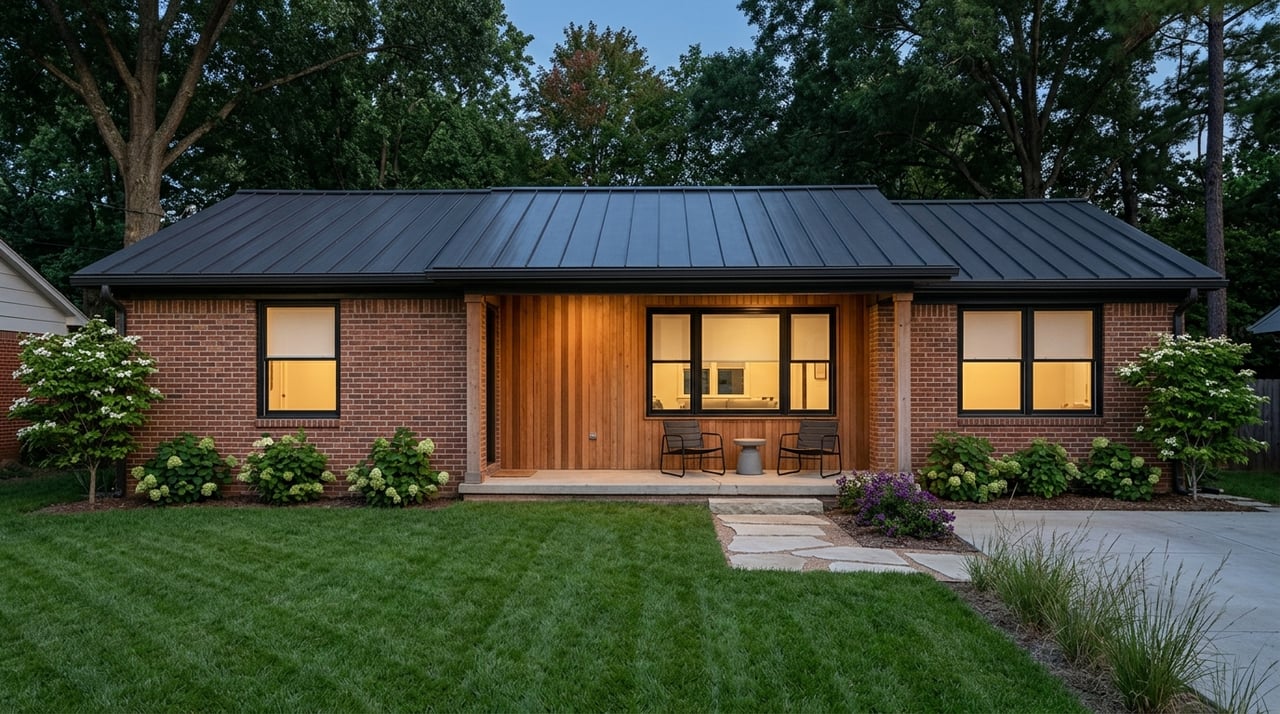
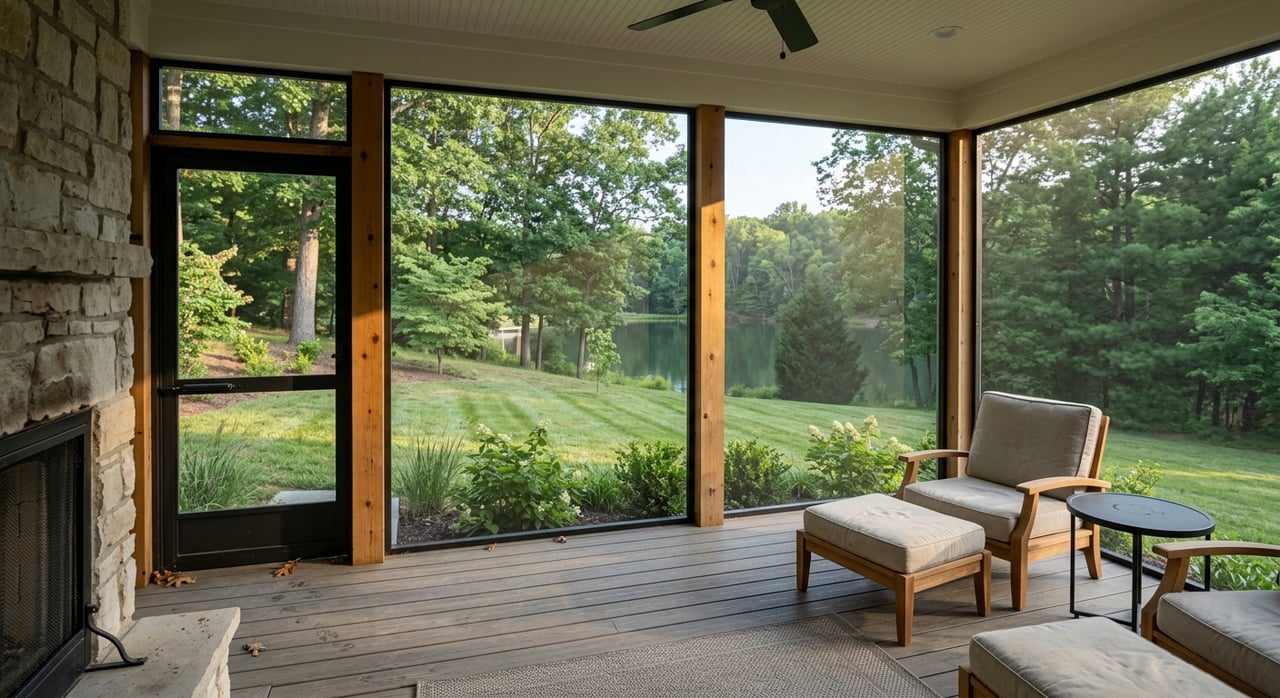
What buyers and sellers need to know about home prices, inventory, and market conditions near Bull Shoals Lake and the White River
We are a full-service team that provides a clear, stress-free process for every client. We offer specialized support for first-time homebuyers and sophisticated, strategic marketing for luxury clients, turning complex transactions into certain success.

[email protected]
(870) 404-9373
[email protected]
(870) 656-2218
707 N Cardinal Dr Ste 4
Mountain Home, AR 72654